I’m writing this from the prettiest ornate swing in Castle Bijaipur in the countryside near Bijaipur town. It’s nice to put the din of the city behind us for a bit in exchange for the peacefulness of the country.
3 days have past since my last post, spent in Agra and Jaipur. 13 hours of those 2 days were spent in our minibus travelling between Agra and Jaipur and Jaipur and Bijaipur. Fortunately the trips were broken up by stops for chai and lunch. Also, my trtl neck pillow affords me the luxury of being able to sneak a nap. Unfortunately, the fog/smog especially in the mornings means there’s not much to see out the windows. And it’s probably best I don’t pay attention to what’s going on outside of the vehicle anyhow – these are some of India’s busiest highways with freight running between Delhi and Mumbai in an endless stream of TATA trucks.
Agra (Red Fort, Taj Mahal, Cooking demonstration at homestay)
Let’s start by saying that the Taj Majal was absolutely everything I’d expected and hoped it would be. Leighton asked me a completely reasonable question after seeing the photos I’d posted ‘what’s so amazing about actually being there – your photos look like every other photo I’ve ever seen of it?’. And I had trouble answering that question because it really is so beautiful that it’s surreal. Until you’re standing right beside it, gazing up at all of the details, it almost looks like a photo even in real life!
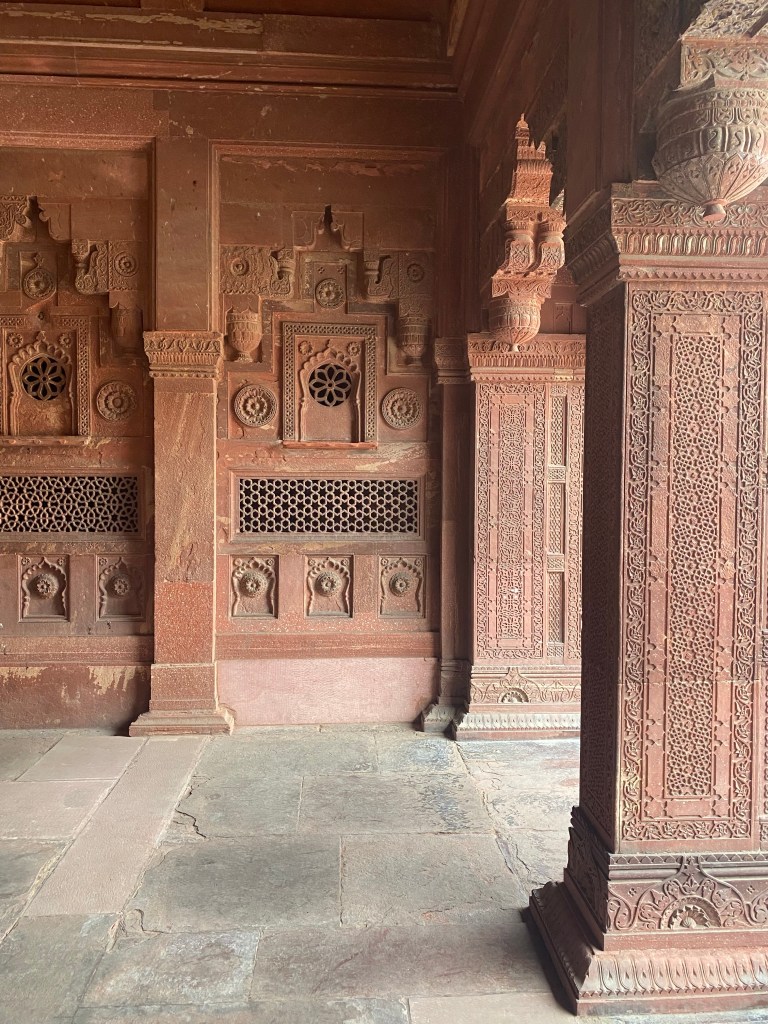
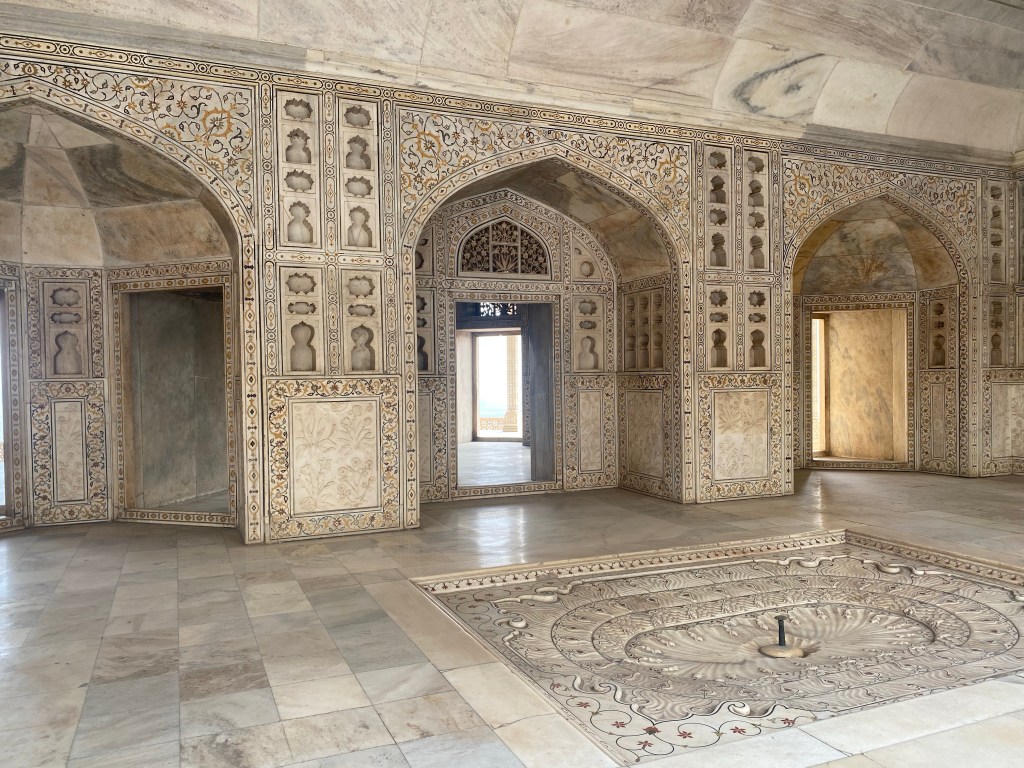
When I’d imagined visiting the Taj Majal, I’d always assumed I’d get up before dawn and be the first one at the gates in an effort to avoid the crowds. In reality, the mornings are extremely foggy/smoggy and if I’d shown up at that time, it’s likely that I wouldn’t have been able to see it from the entry gates. We ‘waited out’ the fog by occupying ourselves at the Red Fort, itself an absolutely stunning palace/Fort combination that was never actually attacked. All of these Moghul structures are engineering masterpieces with so many carefully thought out details. And the opulence is undeniable even after they’ve been stripped of the jewels, gold, carpets and tapestries. It still doesn’t take a lot of imagination to picture them in their full glory.

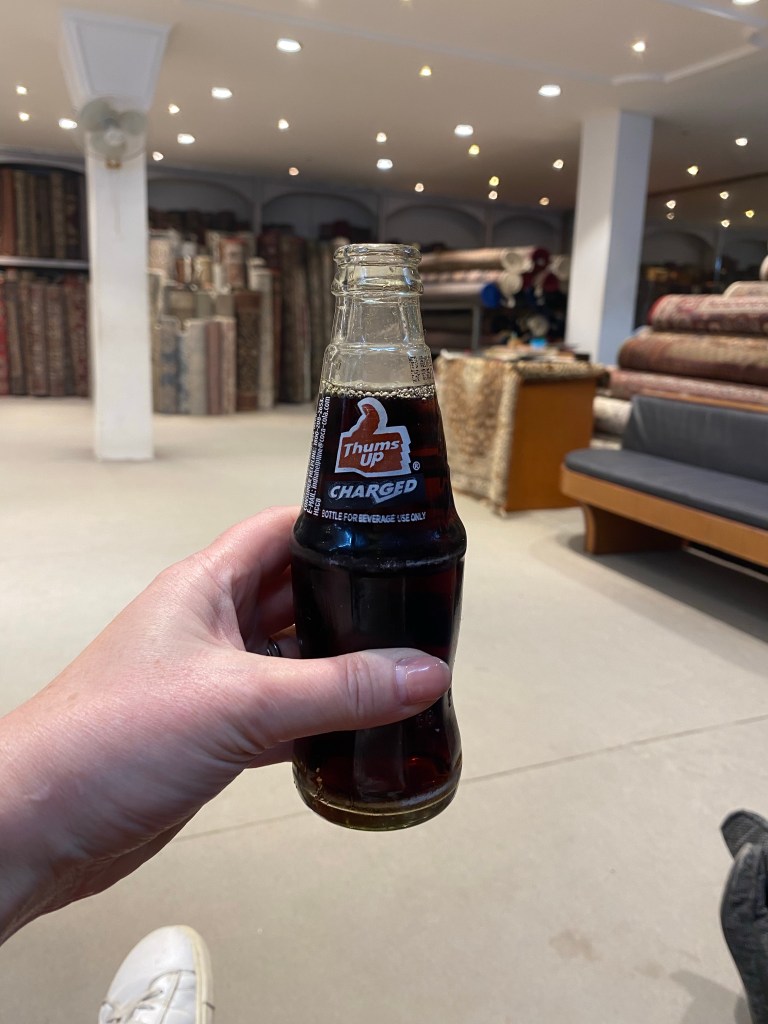
Lunch consisted of delicious vegetarian samosas and Indian coke – Thumbs Up at a hand knotted rug shop. And there may have been a shopping incident….
Finally it was time to make our way to the Taj Mahal. Despite the appearance of throngs of people, it was less busy than usual according to our guides.
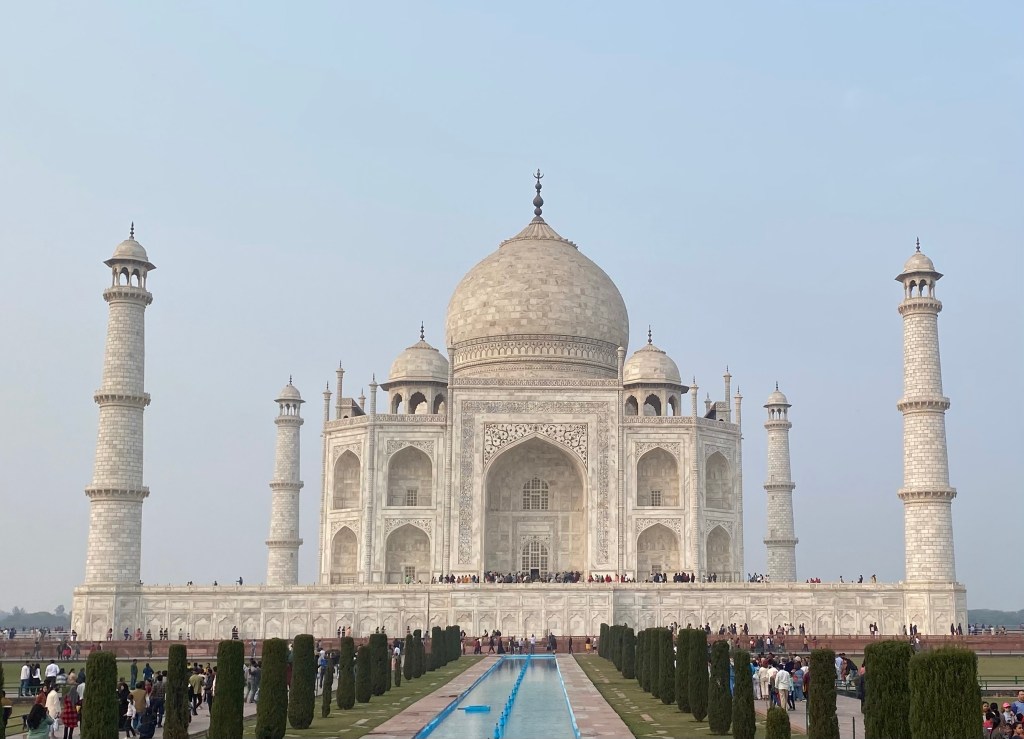
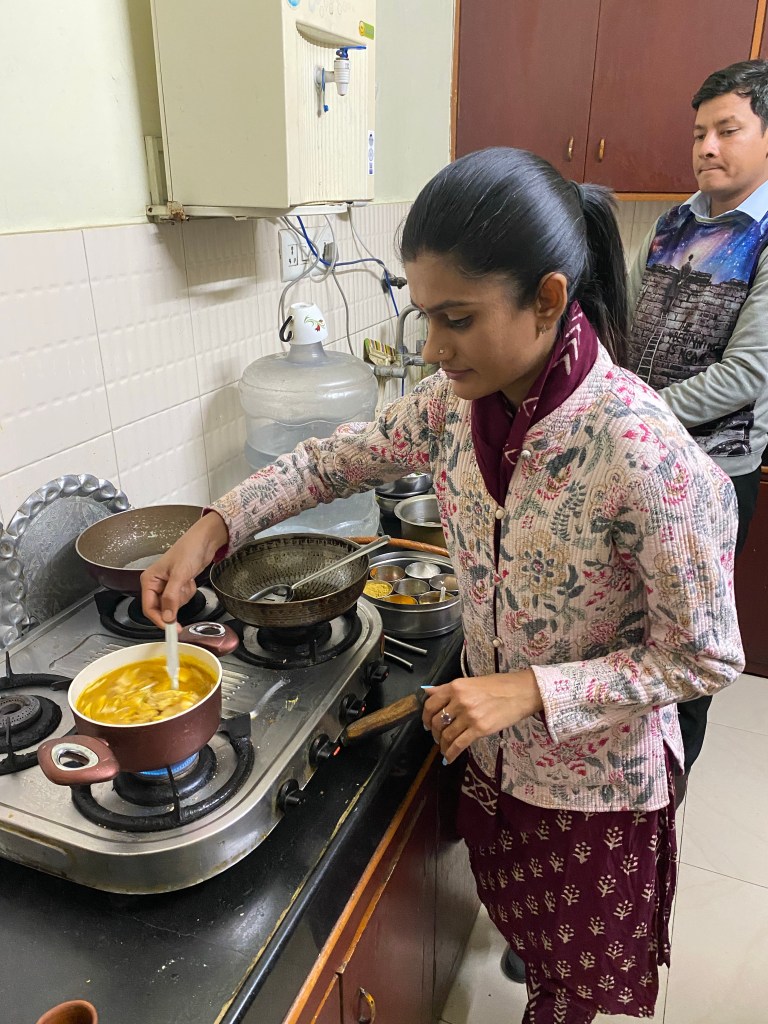
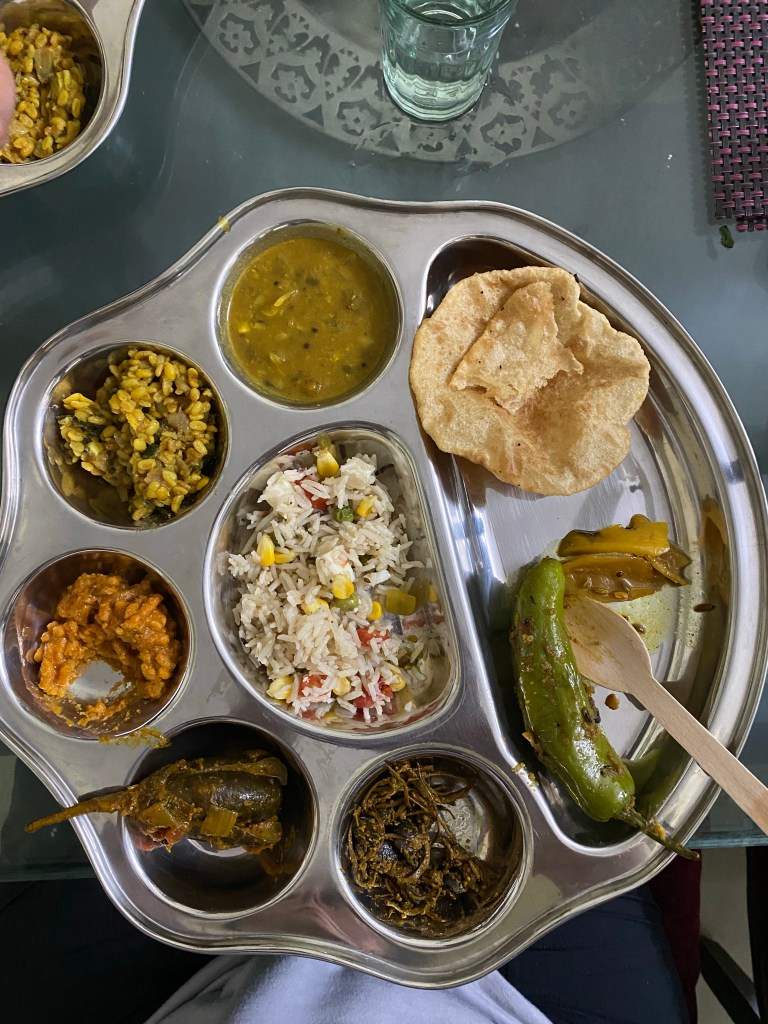
We snapped a bazillion photos and just took it all in from every possible angle before making our way back out to the vehicle. Our final stop for the day was a a cooking demonstration at a local homestay. The food was mouthwatering – I can’t wait to try the recipes at home (once I find all the spices and make my own yogurt and paneer…)
Jaipur (The Palace of the Wind – Hawa Mahal, cooking demonstration at our guide’s house, Amber Fort, Old City)
Jaipur is our guide, Saurabh’s, home and the pride he shows for this city is impressive! I can’t say enough how lucky we are to have him sharing India with us. He’s so genuinely enthusiastic and passionate! Our first few hours in Jaipur came after a long drive from Agra so we only had time for a walking tour through the Old City before our cooking demonstration at Saurabh’s family home.
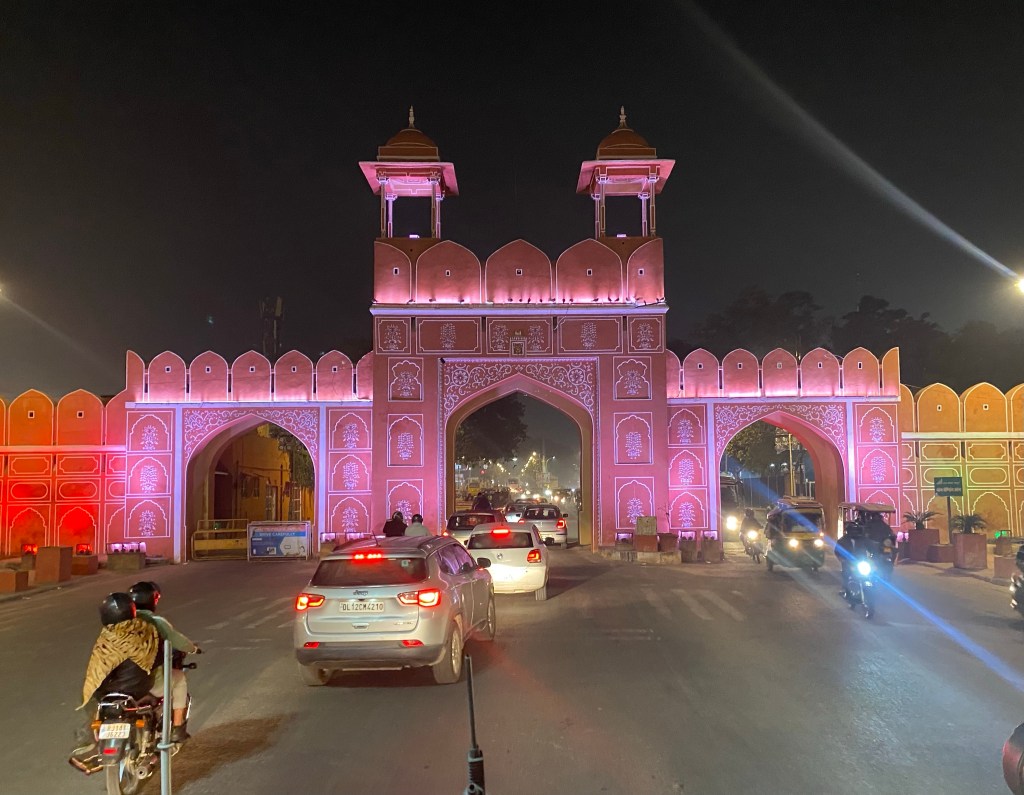
Jaipur is known as the Pink City and is a ‘planned city’ from the 1700’s architecturally designed in a grid pattern. So it’s easy to become disoriented as the streets and squares all begin to look similar. Its buildings are predominantly a pink terracota color with white accents.

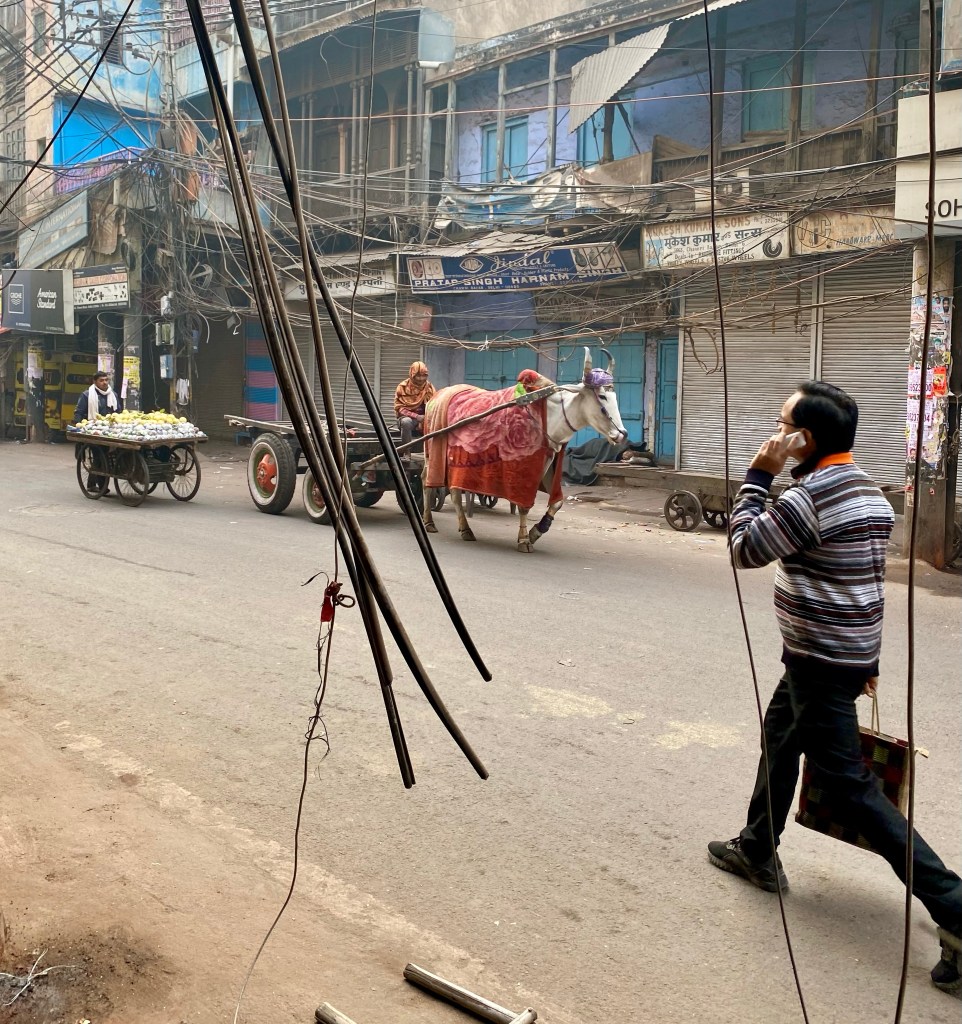
Similar to Agra and Delhi, Jaipur is a cacophony of street sounds – horns, cars, motorbikes, dogs and people. But for whatever reason, I find it enchanting and even as I’m navigating the crowds of people, animals, vehicles, items for sale and the ever present garbage it’s impossible to erase the awestruck grin from my face!
I’m rambling too much and need to move this along so here’s a photo dump of the rest of the sights we saw in Jaipur.

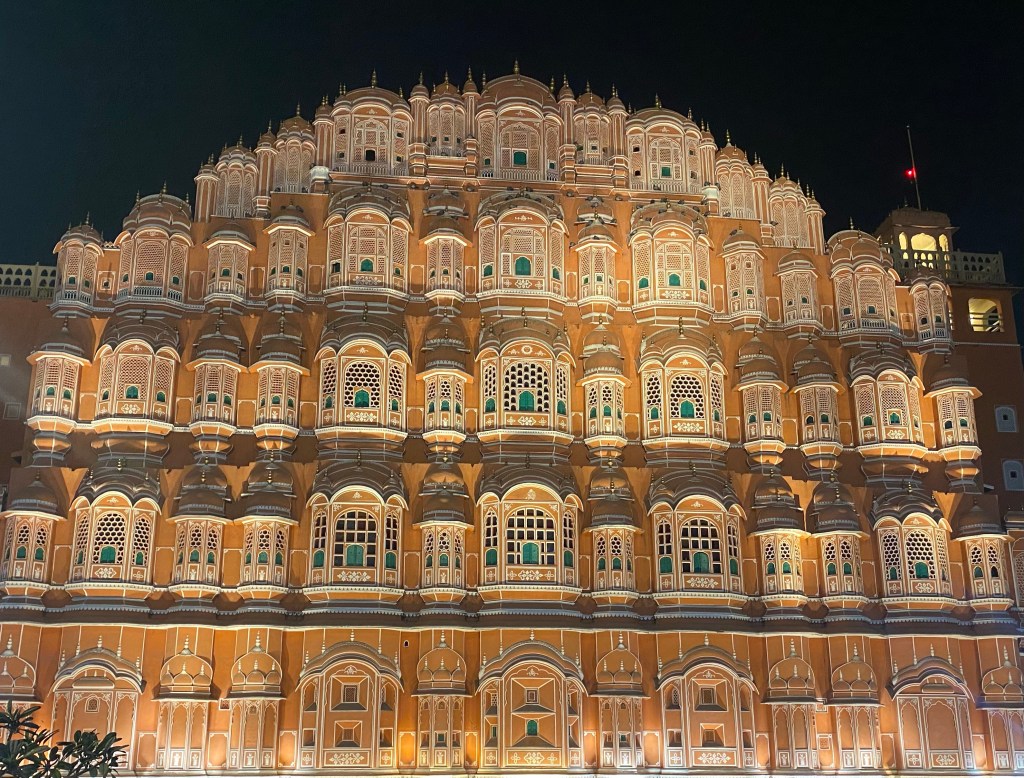
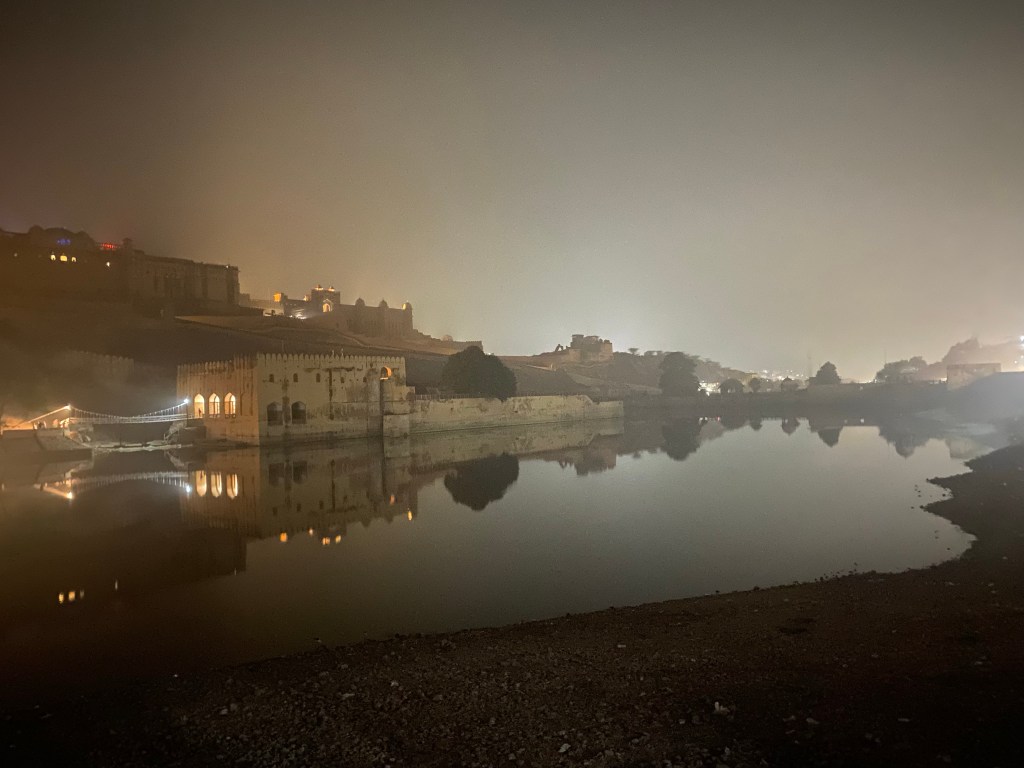
Jaipur, like any other city, comes alive at night and Saurabh took us out on a jeep tour to observe its awakening.
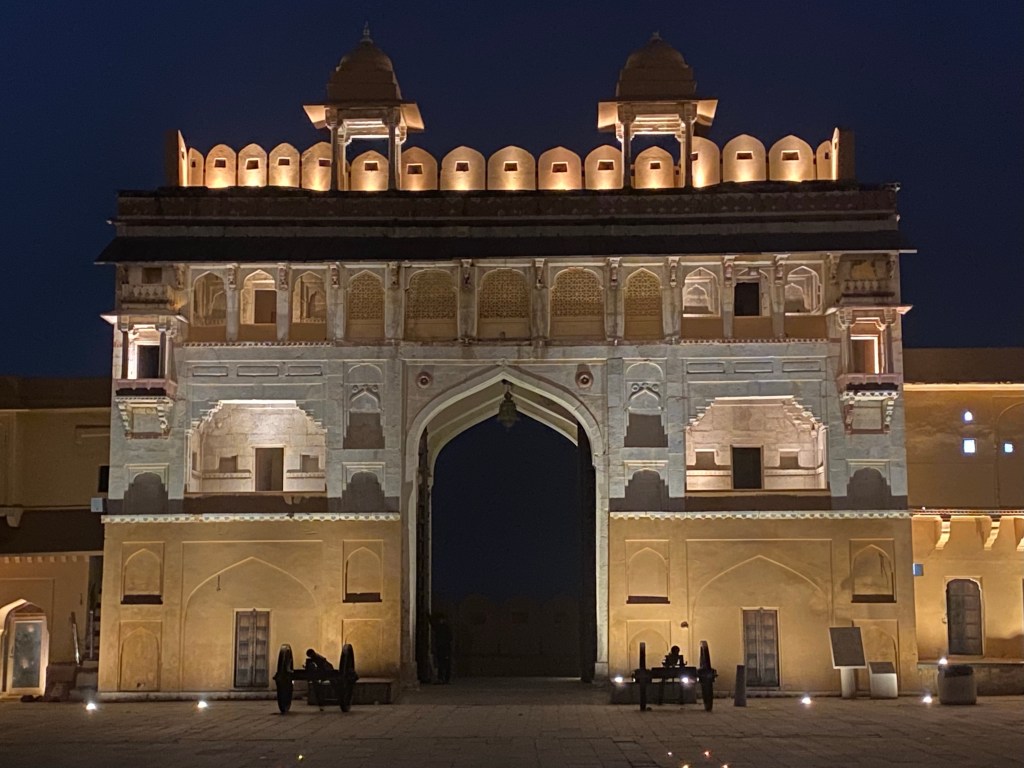

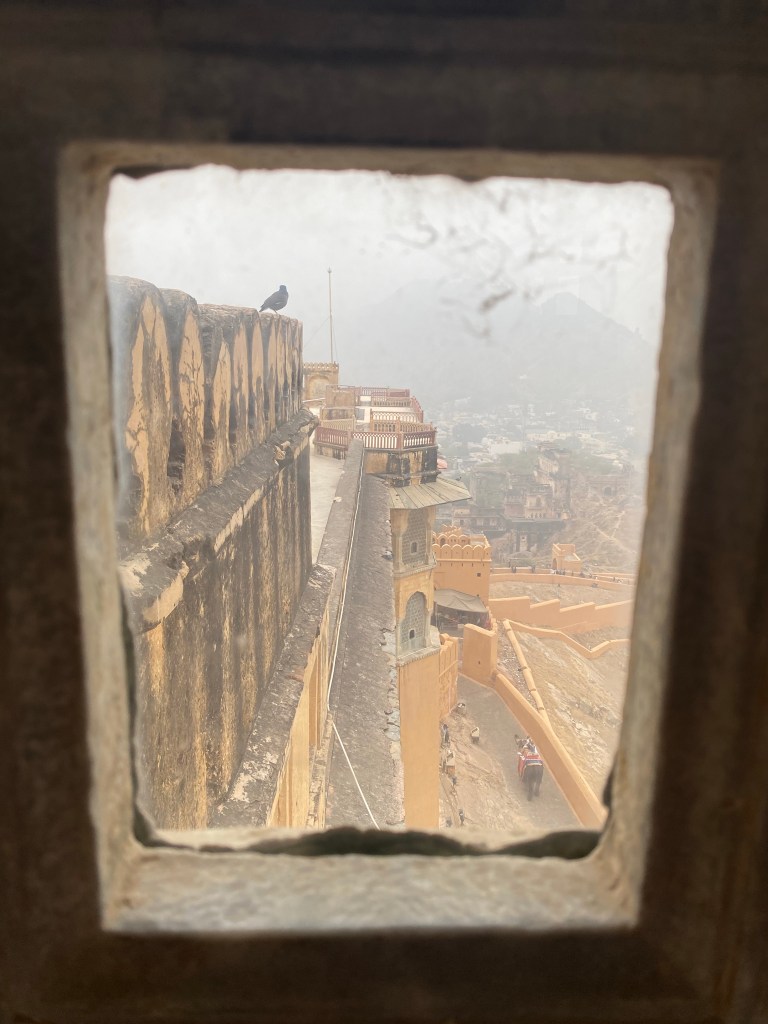
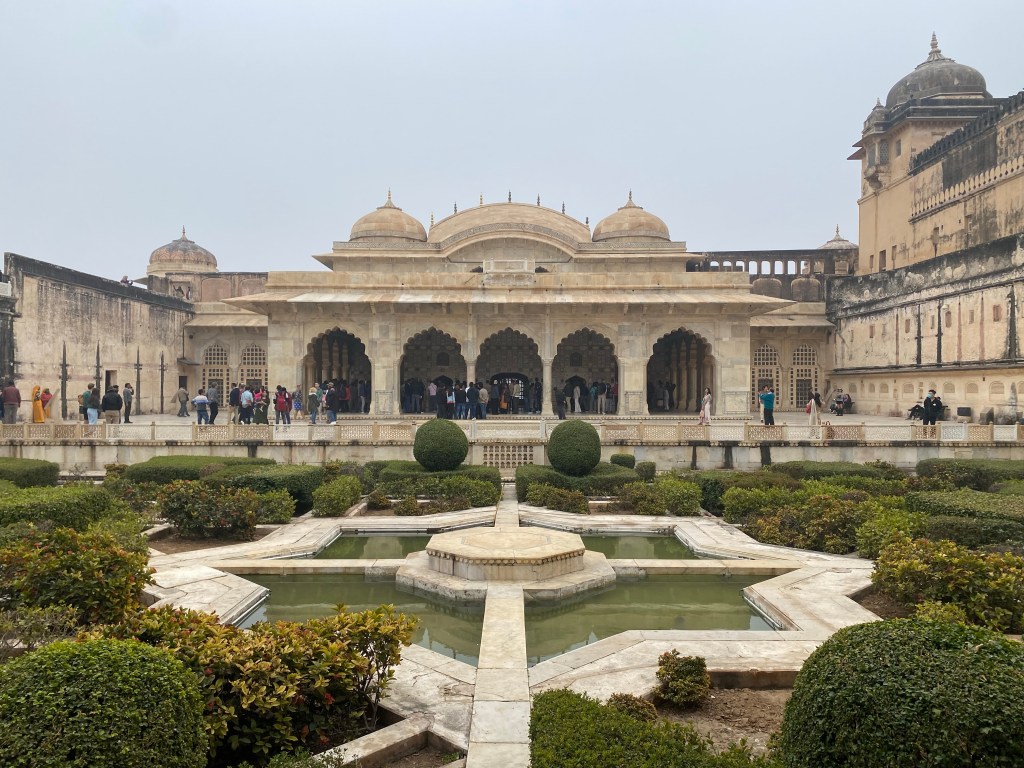
I’ll end this post with a couple of photos from the inside of the Amber Fort during our afternoon tour. This impressive structure was built in the 1500’s primarily of sandstone and marble and is remarkably well preserved. Note the elephant being ridden up to the Fort in the bottom right corner of the first picture – a controversial practice that is slowly being phased out.
















 My Motion Devotion